


Scalp trading (scalping) is a short-term trading style focused on capturing small price moves with fast execution and strict risk control. This guide explains how scalpers choose timeframes and sessions, common setups, and practical rules to manage risk in forex and CFDs.
Scalping is popular because it offers frequent trade opportunities, but it comes with a cost: execution and discipline matter more than almost any other style. If spreads, slippage, or emotions are not controlled, results can degrade quickly.
A strong scalping plan focuses on (1) trading only liquid times, (2) using a repeatable setup, and (3) keeping risk small with strict daily limits.
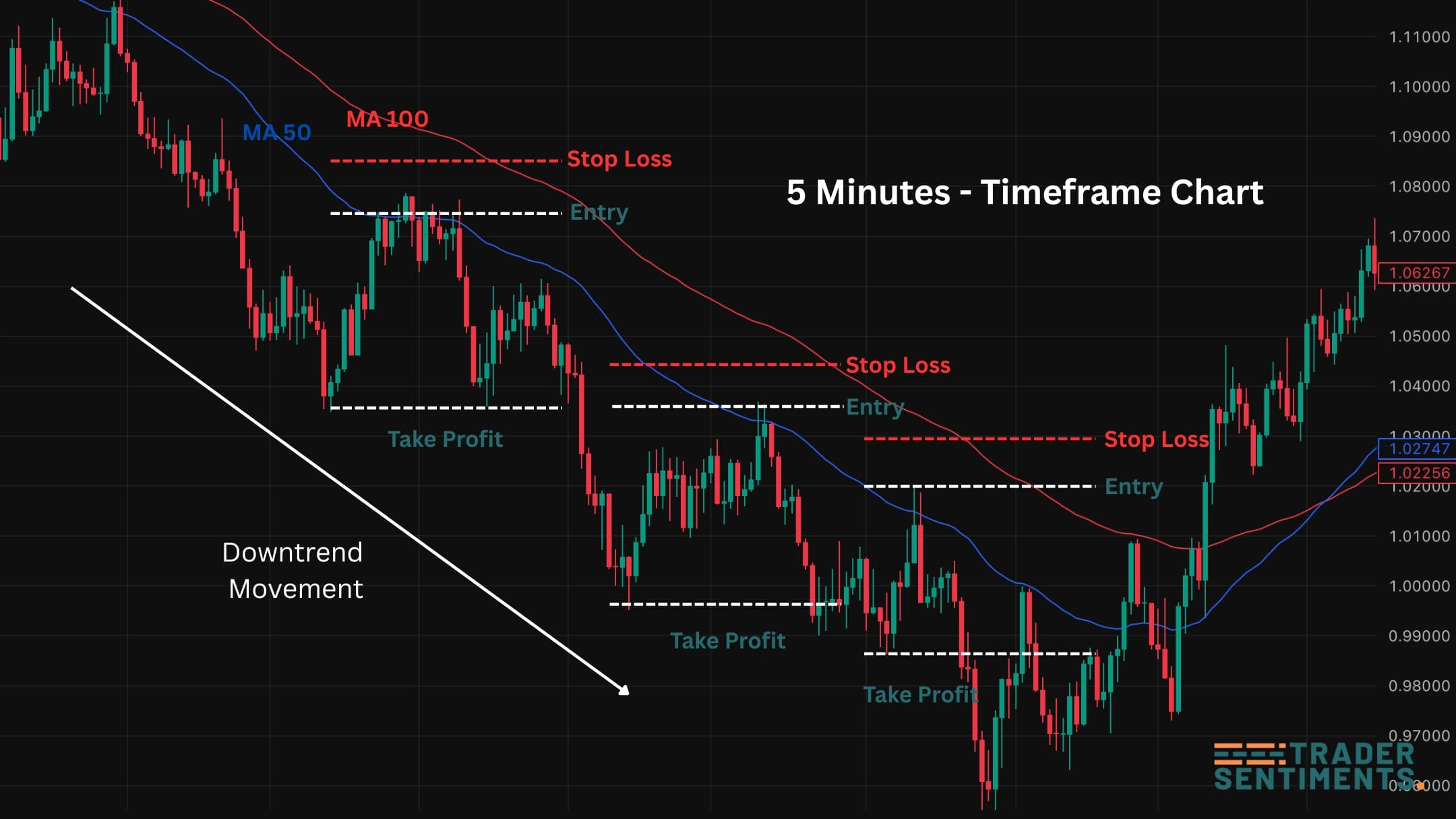
Scalp trading explained
Scalp trading is a short-term style where trades are opened and closed quickly to capture small moves. Scalpers usually trade around high-liquidity periods and rely on a simple read of structure (levels, trend direction, and reaction) rather than heavy indicator stacks.
- Pick a liquid session (London / New York).
- Mark key levels (session high/low, support/resistance).
- Wait for one setup (breakout/retest, pullback continuation, or range bounce).
- Use clear invalidation (tight stop where the idea is wrong).
- Limit trades and stop after hitting daily loss limit.
Who scalp trading is for
Scalping is not about predicting huge trends. It’s about repeating a high-probability process with strong execution. This style fits traders who can follow rules and avoid “clicking for dopamine.”
- Traders who can focus during a short session window.
- People who like fast feedback and quick trade management.
- Rule-driven traders with strong risk control.
- Traders who overtrade or chase losses.
- Anyone sensitive to fast market movement.
- Accounts with high spreads / poor execution.
Timeframes and trading sessions
Most scalpers execute on M1–M5 but use M15–H1 to define context (trend direction and key levels). The goal is to avoid trading random noise without context.
- H1 / M15: bias + key levels.
- M5: structure and setup formation.
- M1: entry trigger and execution.
Liquidity usually increases during London hours, New York hours, and the overlap. If you scalp during quiet hours, spreads can widen and stop-outs can increase.
Core scalp setups
Keep setups simple. Most profitable scalpers repeat one or two patterns instead of mixing many systems.
Trade a clean break of a key level and enter on retest with tight invalidation.
Trade with the intraday trend by entering after a controlled pullback into a level/zone.
In clear ranges, fade extremes only with strict invalidation and disciplined targets.
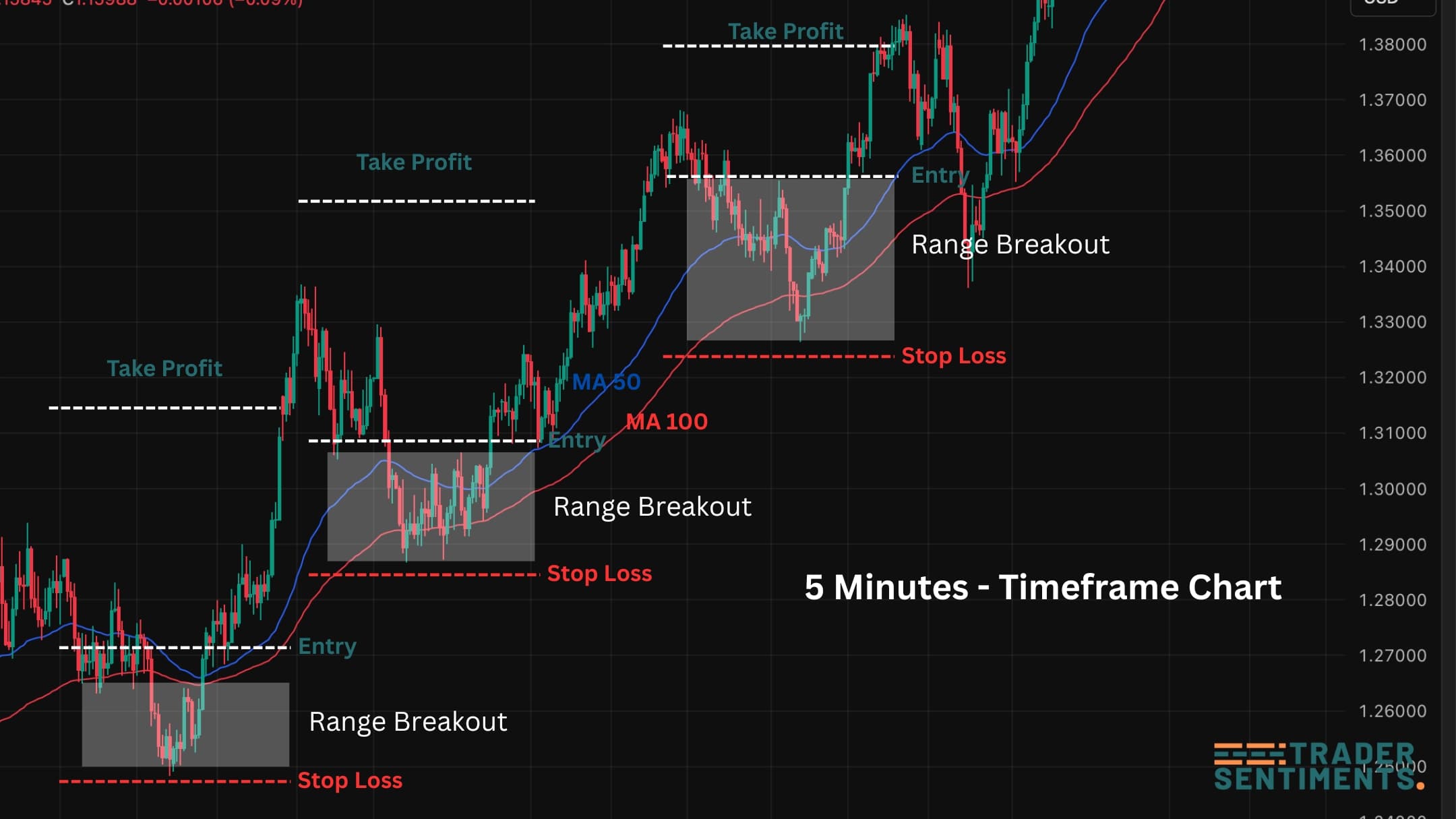
Risk management rules
In scalping, small leaks destroy results. Spreads, slippage, and revenge trading can turn a good setup into a losing system if risk rules aren’t strict.
- Risk small per trade (e.g., 0.25%–0.75%).
- Stop goes at invalidation (don’t widen it).
- Limit trades per session (quality > quantity).
- Set a daily loss limit and stop trading.
- Trade liquid pairs/instruments with tight spreads.
- Avoid news spikes unless it’s part of your plan.
- Use consistent position sizing (percent risk).
- Journal mistakes (overtrade, late entry, chase).
Tools and a simple checklist
Scalping works best when your tools reduce hesitation. Keep charts clean and decisions repeatable.
- Am I trading a liquid session?
- Did I mark the key levels?
- Is the market trending or ranging?
- Do I have my setup, or am I forcing it?
- Is my stop and risk size defined before entry?
- Do I stop after daily loss limit?